
Consulting
Agroforestry systems are as diverse as the landowners who manage them. We believe that the best systems are the ones who are specifically adapted to the landowners goals and conditions. Thus, we focus on creating individualized plans suited to your site, tools, machinery and desired outcomes.
To ensure you receive the most accurate advice, we collaborate with experts across various fields. If your project requires specialized knowledge beyond our expertise, I will refer you to a trusted advisor who can provide the necessary guidance.
Below, you can see examples of the different agroforestry systems we work with. We can combine or adapt these systems to suit your specific needs and preferences.
Contact us at info@agroforestryfarming.com if you are interested in getting our advice.
Alley cropping
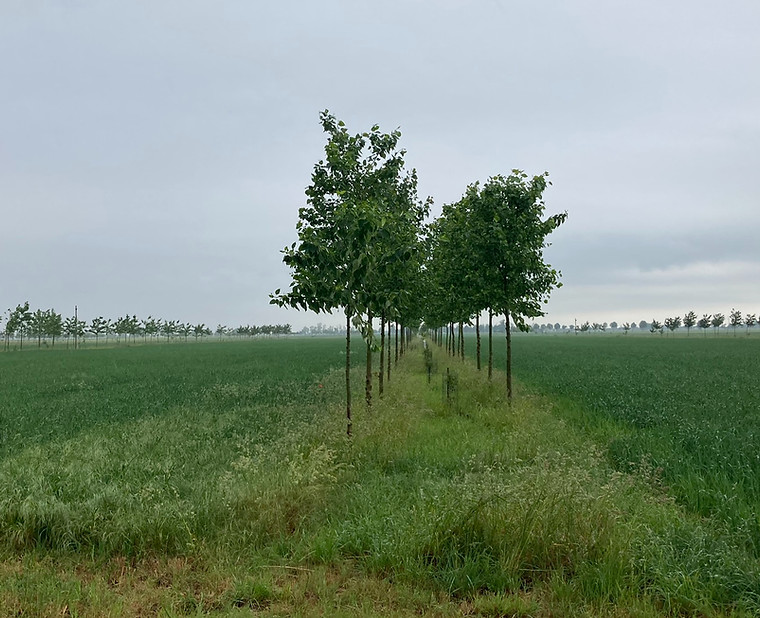
Alley cropping is the planting of rows of trees to create alleys where agricultural or horticultural crops are produced. Alley cropping allows you to produce new products while at the same time improving the health of the agroecosystem.
Alley-cropping is eligible for agricultural EU subsidies in Sweden.
Alley-cropping is eligible for agricultural EU subsidies in Sweden.
Forest gardens
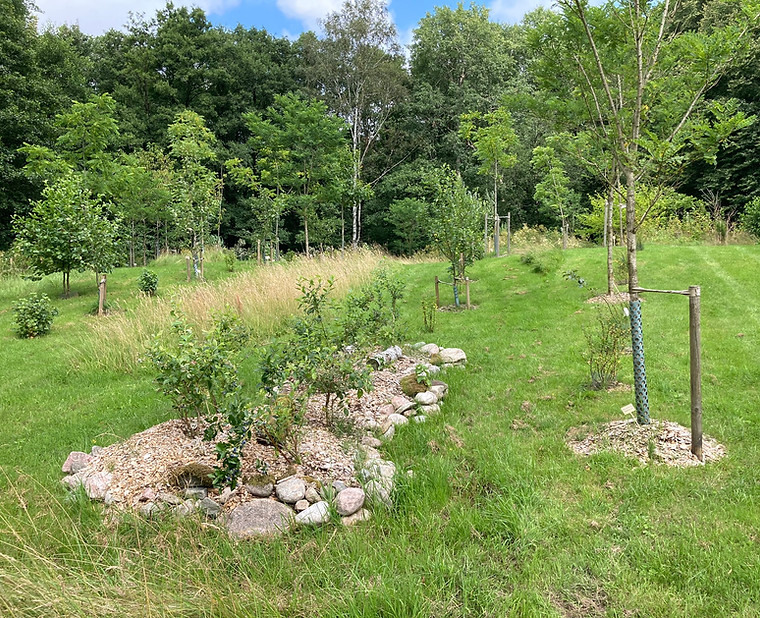
Forest gardens are systems that produce food while mimicking the structure, diversity and design of a forest ecosystem. These systems are composed of several vegetation layers with trees, shrubs, herbs and vines growing in the same place.
Forest gardens are great systems for those of you who want to increase your self-sufficiency, if you own a garden or a small piece of land, or if you are interested in ecology and plant experimentation.
Forest gardens are great systems for those of you who want to increase your self-sufficiency, if you own a garden or a small piece of land, or if you are interested in ecology and plant experimentation.
Multifunctional windbreaks
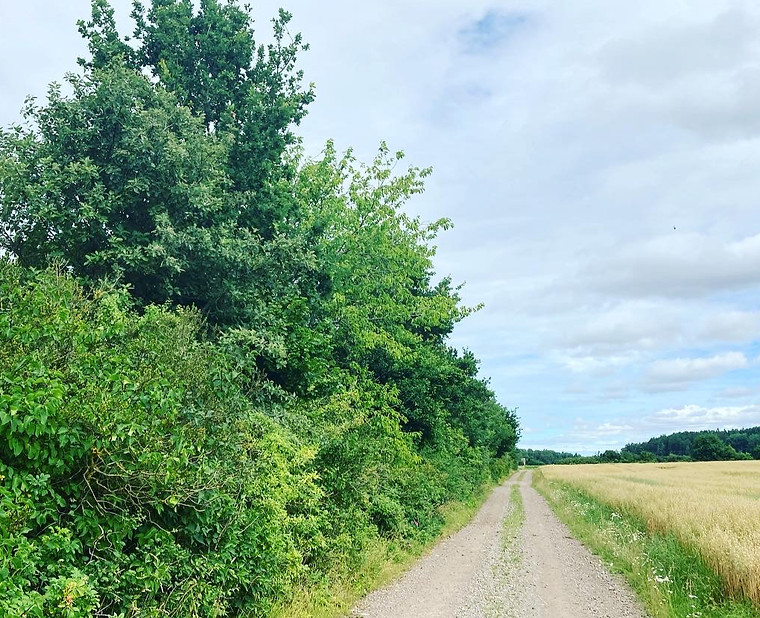
Multifunctional windbreaks can help you increase your yields while protecting your crops and animals from climatic extremes. In addition, they can be designed to produce various products, such as fruits, nuts, timber, and berries, as well as provide ecosystem services like carbon sequestration and increased biological diversity.
Windbreaks in arable land are generally eligible to agricultural EU subsidies in Sweden.
Windbreaks in arable land are generally eligible to agricultural EU subsidies in Sweden.
Riparian buffer
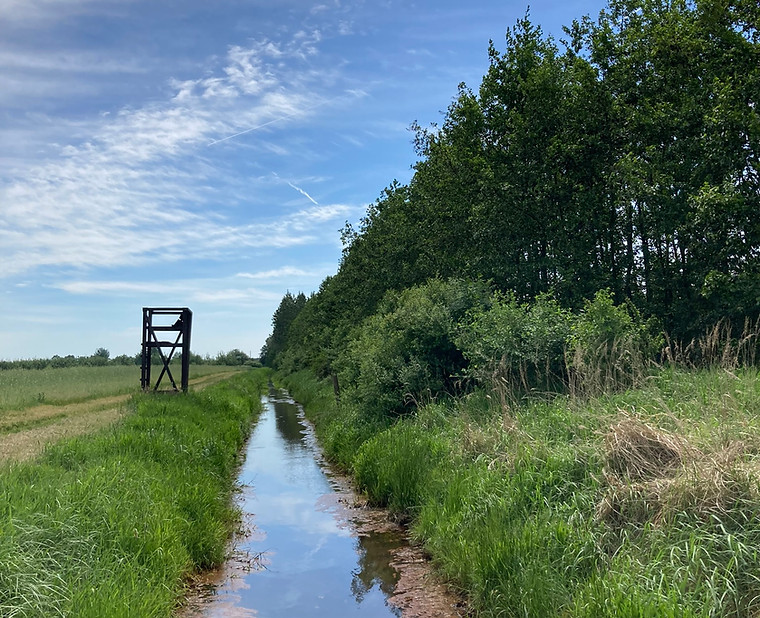
Riparian buffers are strips of grass, shrubs and trees planted next to streams or other waterbodies. They prevent agricultural pollutants to enter waterbodies. These systems can also be designed to produce new products or create habitat for the wildlife.
Silvopasture
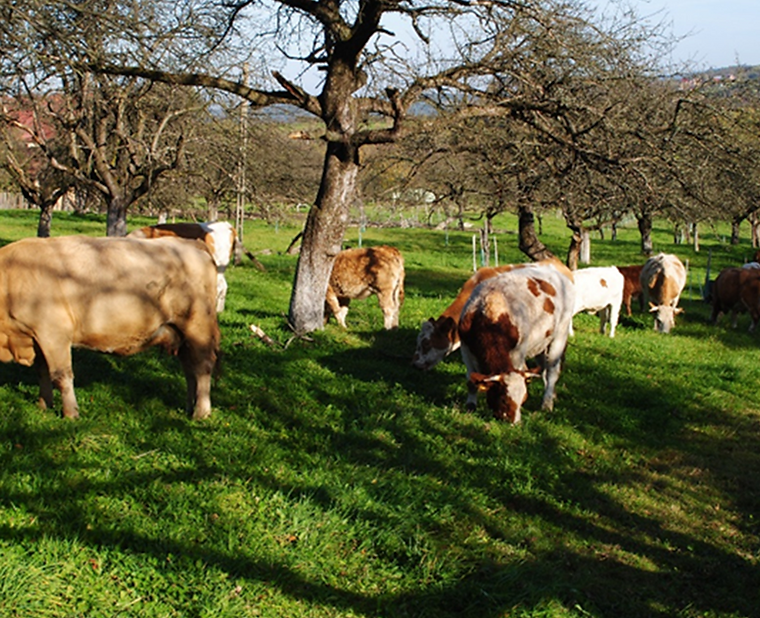
Silvopasture is the integration of trees and grazing livestock. Silvopastoral systems can produce nutritious fodder from the trees and improve the living conditions for the animals. Additionally, they can increase the grass yields and generate extra income by producing new prodcuts from the trees.
Nut and wood agroforestry
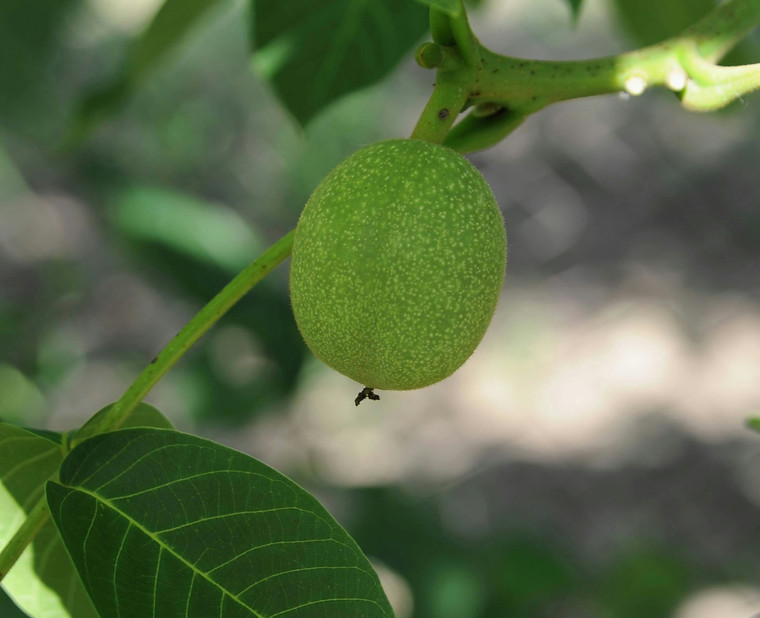
Nut and wood agroforestry systems fit well in different types of land. They can be implemented in gardens, arable land, pasture land, or in forests.
Nut and wood agroforestry systems are long-term production systems with low management costs. They can be designed to improve long-term farm resiliency, sequester carbon, increase biodiversity, or enhance land profitability
Nut and wood agroforestry systems are long-term production systems with low management costs. They can be designed to improve long-term farm resiliency, sequester carbon, increase biodiversity, or enhance land profitability